 Reading time: 4 mins
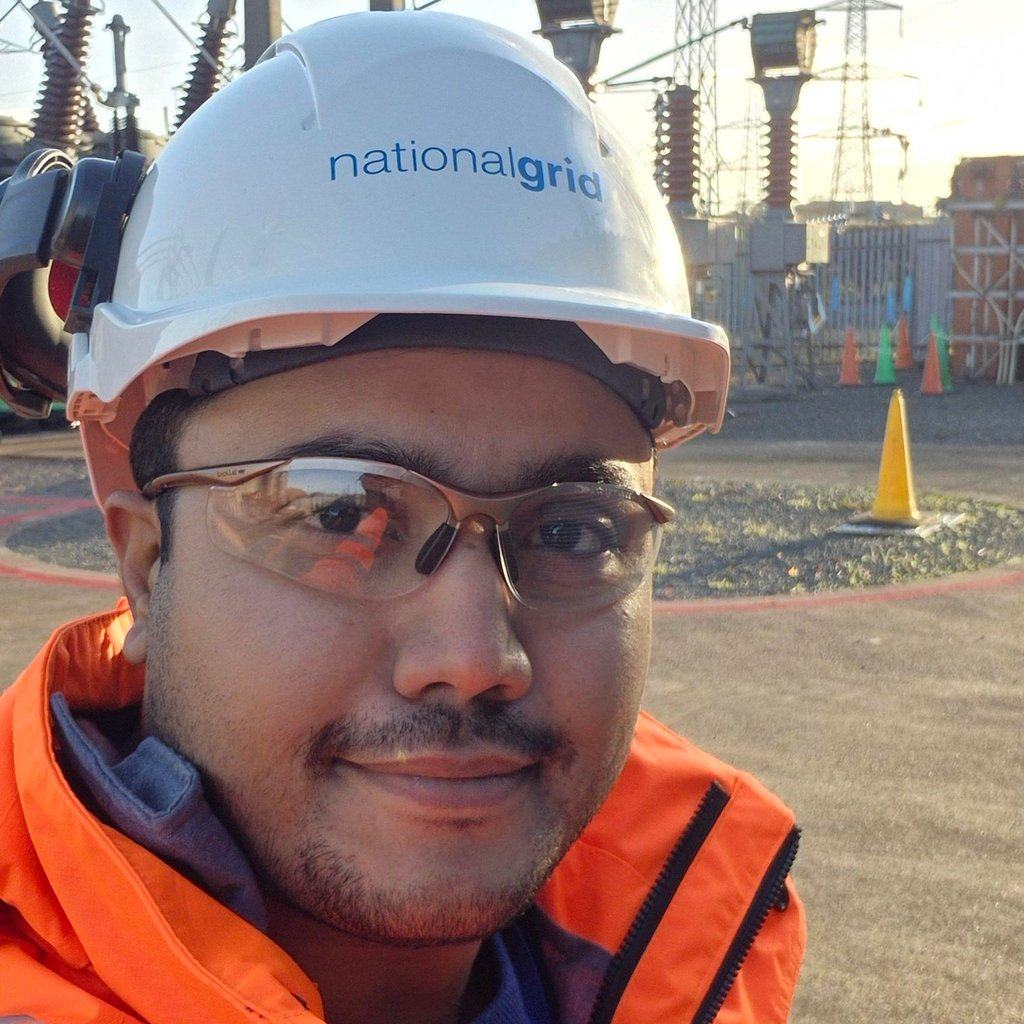
Meet Muhammad, a Graduate Project Manager, currently working on one of our major projects in the North Humber region.
My journey to National Grid wasn't a straightforward one. I moved to the UK as an international student to study an MSc in Engineering Management, having previously gained experience across the manufacturing, pharmaceutical and electrical distribution sectors.
Like many students and graduates, I arrived with big ambitions but also plenty of uncertainty. I was adapting to a new country, a new culture and a highly competitive job market while trying to build a future for myself. There were moments when the path ahead felt unclear, but I knew I wanted a career where I could make a real impact and continue learning every day.
Today, I get to contribute to projects that will help shape the UK's future energy network, which makes the journey feel incredibly rewarding.
What inspired your career path?
I've always been interested in how engineering and project management come together to solve complex challenges. What excites me most is the opportunity to combine technical problem-solving with collaboration, planning and decision-making.
Project management appealed to me because it sits at the centre of bringing ideas to life. Whether it's coordinating teams, managing risks or helping deliver critical infrastructure, you're constantly working with people to turn ambitious plans into reality.
Knowing that this work can have a positive impact on millions of people is what inspired me to pursue this path.
What was your route into National Grid?
I joined National Grid through the Graduate Programme on the Engineering Pathway.
What stood out to me most was the combination of purpose and development opportunities. The chance to contribute to the UK's energy future and support the transition to net zero felt like an opportunity to be part of something much bigger than myself.
The rotational nature of the programme was equally appealing. As a graduate, you don't always know exactly where your career will take you, so having the opportunity to explore different areas of the business, build new skills and learn from experienced colleagues was a huge advantage.
What has surprised you most since joining?
The thing that surprised me most was how willing people are to support your development.
From senior leaders making time for conversations to colleagues inviting me on site visits and mentors sharing their experiences, I've found a culture where people genuinely want to help you learn and succeed.
As a graduate joining a large organisation, that level of support makes a huge difference. It gives you the confidence to ask questions, take on new challenges and make the most of the opportunities around you.
What's been the highlight of your journey so far?
The biggest highlight hasn't been one specific achievement. It's the confidence I've gained along the way.
I've had opportunities to lead safety moments, support project assurance activities, contribute to design discussions, improve risk reporting processes and help deliver the Early Careers Welcome Day.
Each experience has stretched me in different ways and helped me grow professionally. Looking back, it's those moments outside my comfort zone that have had the biggest impact on my development.
How have you grown since joining National Grid?
I've grown in ways I never expected.
Professionally, I've developed a much broader understanding of project delivery. Starting in a SHES role gave me a strong appreciation of safety, assurance and stakeholder management. Since moving into Project Management, I've expanded my knowledge of risk management, project controls, governance and decision-making on major infrastructure projects.
Through site visits, technical training and working with multidisciplinary teams, I've gained exposure to areas of the business that I never imagined when I first joined.
Personally, I've become more confident speaking with senior stakeholders, taking ownership of challenging tasks and proactively creating opportunities for myself.
One of the most valuable things I did was reach out to project managers and senior leaders across the business to learn more about different career paths. Those conversations helped me build meaningful relationships, learn from experienced professionals and ultimately make the move into the career area I wanted to pursue.
That experience taught me an important lesson: growth often starts with curiosity, asking questions and being willing to take the initiative.
What's been the biggest opportunity you've had during your time here?
One of the biggest opportunities I've had was taking ownership of Design Control Point (DCP) assurance activities on a major Strategic Infrastructure project
Early in my career, I was trusted to review project documentation, coordinate with different disciplines and engage with stakeholders to help ensure key requirements were met ahead of important project gate reviews.
What made this experience particularly valuable was the level of responsibility and visibility involved. It challenged me to think beyond my immediate role, understand how different parts of a project fit together and communicate confidently with a wide range of stakeholders.
I also had the opportunity to improve risk assurance processes by developing dashboards and tools that helped teams access critical information and make informed decisions.
Experiences like these showed me that, even as a graduate, you're trusted to make a meaningful contribution and create real value.
What advice would you give to someone considering a similar path?
Be proactive, stay curious and don't be afraid to put yourself forward.
Some of the opportunities that have shaped my career started with a simple conversation or by volunteering to get involved in something new. The more initiative you show, the more opportunities you'll create for yourself.
You don't need to have everything figured out from day one. Focus on learning, building relationships and taking advantage of the experiences available to you. Those are often the things that make the biggest difference in the long run.