 Reading time: 5 mins
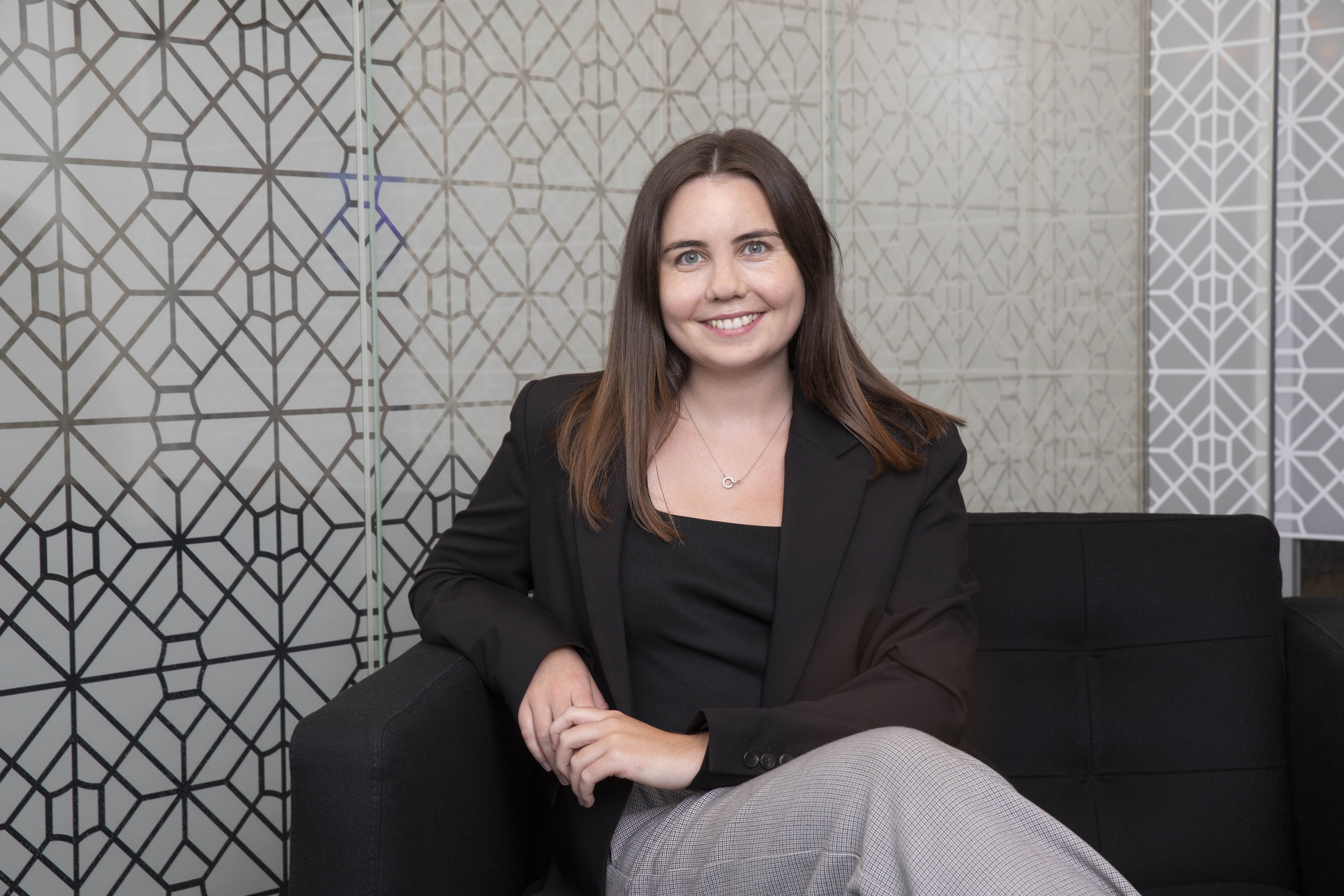
Georgia Dalton-Stone, Trainee
Departments to date: Private Wealth & Tax; Fraud; Reputation Protection and Crisis Management
University: Southampton
Degree: History
6.30am: I wake up and go on a run around my local park. I am running a half marathon soon with some of the other trainees to raise money for our chosen charity, Survivor Space Oxfordshire, so I am trying to keep on top of my training schedule.
8.30am: I head into work. My commute is only around 30 minutes, so I try to come into the office five days a week. I meet another trainee in our canteen and grab a quick breakfast.
9.00am: I go up to my desk. We share a floor with the brilliant Art Law and Private Commercial Litigation teams. I review my emails and Teams messages to check whether any urgent work has come in. I then write down my action list for the day based on emails and my calendar. I like to have a hand-written copy of my list on my desk so that I can tick off tasks as I go along.
9.30am: I have a catch up with my supervisor, with whom I share an office, to check whether I can assist her with any tasks during the day. I then make a start on the first task of the morning, which is a pre-broadcast letter to the BBC. One of Mishcon's corporate clients has been notified that they will be mentioned in a BBC Panorama Programme, due to be broadcast next week. We have been instructed to engage with the BBC to provide evidence to set out the true position.
This is a great trainee task to be involved in, as it allows you to develop your drafting skills and gain a general understanding of the case and legal arguments involved.
10.15am: I join the team for our Reputation Round Up. Every week, the team meets to discuss the matters they are working on. Every person in the team is given an opportunity to talk about any new and exciting cases they are involved with so that we can share knowledge and understand the team's capacity.
11.00am: I continue working on the pre-broadcast letter until lunch, stopping in between to reply to emails or complete ad hoc tasks. I have found that in departments where you work with private clients, you have far more matters running simultaneously, and you often dip in and out of your matters during the day. For example, today I have had to pause work on the pre-broadcast letter to urgently search "X" (formerly Twitter) for some malicious tweets about a different client. I contact our Cyber Investigations team, with whom we work closely, who are very helpful in assisting with tasks like this.
1.00pm: A few of the other trainees and I head down to the canteen for lunch.
1.30pm: I have a client meeting with one of the partners in our White Collar Crime & Investigations team at 2pm. I am currently working on a matter where the work spans across three teams: Reputation Protection & Crisis Management, White Collar Crime & Investigations and Employment. One of the things I am particularly enjoying about this seat is how much of the work is cross-departmental as it is great to work with different people across the firm and engage with subject matters that you don't normally come across.
To prepare for the meeting, I read through the recent correspondence with the client and circulate an internal agenda.
2.00pm: I join the Teams call. We are discussing the outcome of a hearing at Exeter Magistrates' Court that I attended last week alongside our criminal barrister. As a trainee, my role in client meetings is to take a verbatim note of what is discussed, making sure I have recorded important details such as names, dates and next steps. I find that client meetings are a great way to learn because the partner will be explaining legal concepts in more basic terms to the client. After the meeting, I summarise the action points and circulate to the team.
3.00pm: I head to our internal meeting room for Case Club. Every month, the team meets to dissect and discuss a recent case of interest. Today I am presenting a recent data protection case. As a team, we discuss the key takeaways and how we can apply these to our work with current and future clients.
4.00pm: I go back to my office and assist an Associate with some work for a client who has been the victim of abhorrent deepfakes online. We have written to OpenAI, the organisation behind ChatGPT, and are planning a strategy to get the content removed from social media platforms. I was asked to assist with this matter as I have also been writing an article for the firm's website discussing the prevalence of deepfakes online and the issues coming out of OpenAI's launch of Sora 2, an advanced AI generative platform.
The team has a wealth of experience advising on the sharing of non-consensual images online and offers pro-bono legal advice as part of the SPITE (Sharing and Publishing Images to Embarrass) project run by Queen Mary Legal Advice Centre (QMLAC). I regularly assist at these appointments, which are great experience for trainees as you often get to run the sessions with the client and prepare the first draft of the letter of advice.
4.30pm: I get a call from the counsel team on a matter we are working on with the Fraud team. This was one of my matters in my previous seat, and given the reputation angle, the Fraud partner asked me to continue assisting in this seat. As I have been on the matter now for over six months, I have a good relationship with the counsel team and they often reach out to me when they know the partners are busy. Today, they ask me to send over a bundle of recent correspondence with the other side. While this can be a lengthy process, the ability to prepare bundles efficiently and in a well-presented manner is essential as a trainee.
5:30pm: I check my emails and see that I have been asked to submit a Google de-listing request. Many of our clients feature in false or outdated online content which can affect their reputation. A de-listing request calls for Google (or another search engine) to remove this damaging content from the results of a Google search.
6.00pm: I flag any tasks that will need to be picked up in tomorrow’s action list. I then make sure I have submitted my time recording for the day.
6.30pm: I attend The Future of News Panel Event taking place on our client floor, organised and hosted by one of the newly qualified solicitors in the team. The panelists, all from various media backgrounds, discuss important questions about the current news landscape and examine the implications for the future of news.