 Reading time: 3 mins
Sports and skills go hand in hand. The more sports you play, the more skills you’ll pick up. And the more sports skills you have, the better.
Unless you want to be a tennis coach, a potential employer probably isn’t interested in your backhand. However, employers across all sectors will value transferable skills from sport.
We’ll outline seven sports skills you can use at work:
Join the UK's leading graduate careers network
Becoming a Bright Network member is free and easy. You’ll get exclusive access to jobs, events, networking opportunities, advice and more.
1. Teamwork
“There’s no I in team.” It’s a cliché but it’s true. There’s a reason why it’s a popular saying.
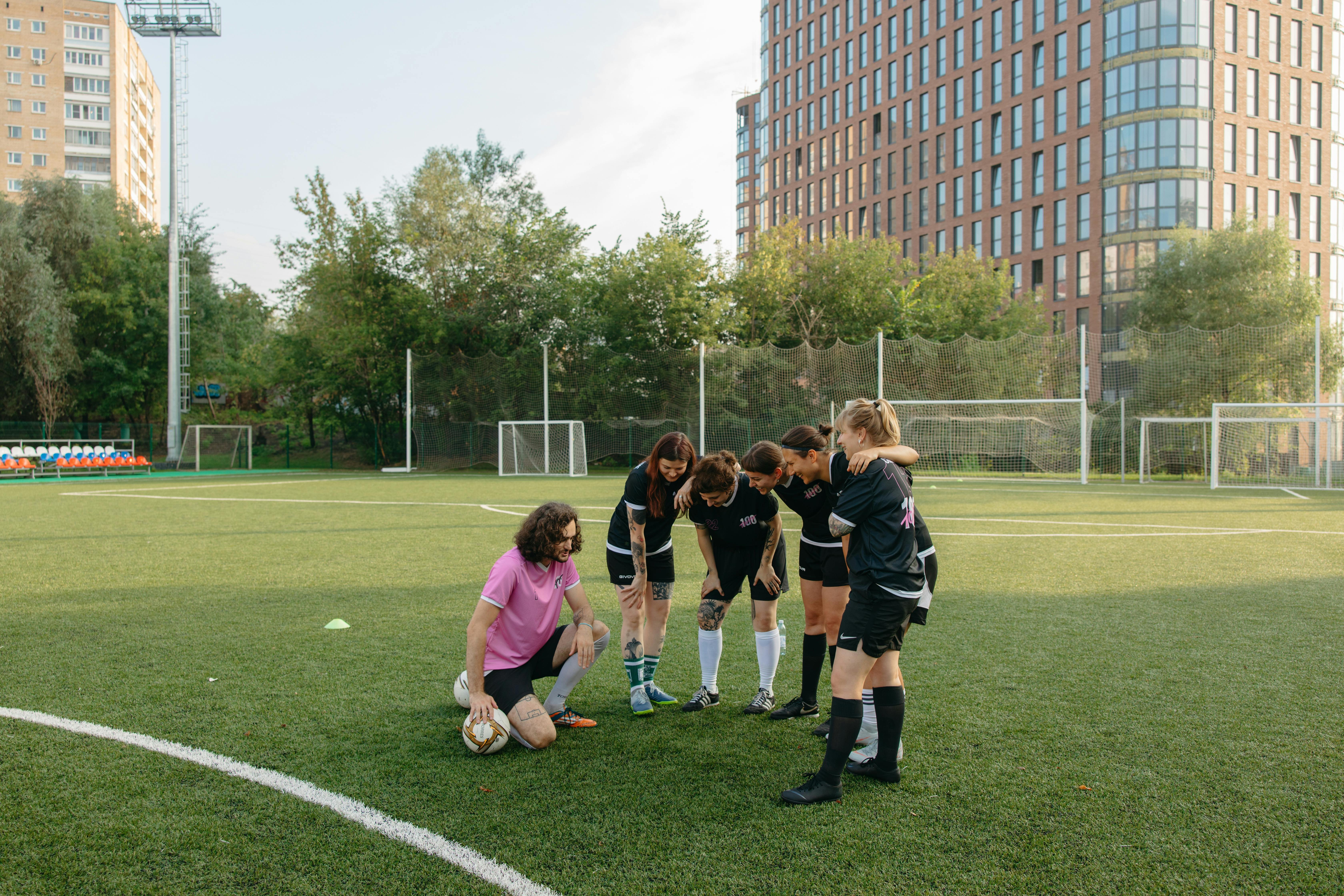
A boat will only race at its fastest when all rowers move in one rhythm, while a goal scored in football is thanks to the varying skillset of the team (not just the striker).
Knowing how to work effectively in a team and appreciating how different talents contribute to a shared aim is essential in the workplace. By playing teamwork sports, you'll grow your collaboration skills.
2. Leadership
Employers value employees with leadership skills – whether they’ll be in charge of others or not.
In sport, you sometimes have to make tough decisions about the team list and delegate roles.
While team captains are the official leaders, most sports players will pick up leadership skills. Everyone plays their part in motivating their teammates. Knowing how to inspire teammates will help you do the same with your future colleagues. Motivational skills are always in demand, so you’ll put them to good use throughout your career.
3. Time management
Juggling training sessions with the demands of lectures, seminars and coursework (and maintaining a social life!) is great practice for achieving a healthy work-life balance in the ‘real world’. You’ll need good time management skills to fit everything into your schedule.
4. Fair play
Employers look for candidates who have a drive for success, and they know they’ll find that in all athletes. However, learning to accept loss is a much tougher lesson that can be more valuable.
In the world of work, you’ll need to make compromises. So, being competitive at all costs won’t always be a good thing. It’s also important to learn from your mistakes and recognise how to improve. Being a sore loser can be off-putting to employers, so show you know how to grow.
Making it clear that you play fairly can get you further in the long run than stepping over others.
5. Handling pressure
From preparing for a big game to being on the start line of a race, coping with high-pressure situations is a regular occurrence in sport.
While some careers are more stressful than others, organisations across all sectors value those who will cope when times get tough.
Being able to deal with pressure will come in handy in your career, whether it means you stay calm in a job interview or meet a tight deadline once you’ve bagged your dream role.
6. Management and responsibility
Not all sports skills come from the pitch. There’s plenty to learn behind the scenes.
After all, sports clubs don’t run themselves. Securing new equipment, raising funds and maintaining club numbers are just some of the tasks required of committee members. If you love watching sports but prefer not to play, you could volunteer for a local club or a university team to gain transferable skills.
A sports club is a brilliant environment to develop and practise managerial skills.
7. Commitment
You can’t win a medal or top a league table without commitment. It’s that grit people give to their sport that employers value. If you’ve kept up with a sport for years, it suggests you’ll also commit to a career.
So, if you’ve been involved with sports for some time, shout about it on your CV to emphasise your commitment.
Key takeaways
Participating in sports can be great fun, and the sports skills you’ll learn can benefit your career too.
The various sports you try at university and in your free time will see you learn new skills, which you can show off on your CV and then use at work.
Teamwork sports teach you how to collaborate with others, while individual pursuits help you handle the pressure of solo challenges.
When you’re putting together your job applications, emphasise your sporting triumphs and transferable skills.
Looking to gain more experience? If you’re still at uni, take advantage of the wide range of sports clubs and societies. It doesn’t matter if you didn’t play sports at school. Why not give something new a try? You don’t even have to get physical to get involved. You could manage a team or market match ticket sales. It’s all good stuff!
If you want to find out what other qualities employers are looking for, check out our list of 10 key career skills.
Put your skills to the test with a graduate job
Ready to apply your sports skills in the workplace? Browse our extensive listings for the latest graduate jobs, schemes and other opportunities.